

This is very informative news that Energy Requalification is the process of modifying properties, companies, or structures to increase energy efficiency and lessen their impact on the environment. It involves incorporating energy from sustainable sources, updating insulation, swapping out antiquated heating and cooling systems, and implementing smart technologies. This is also very important to know that Energy requalification is now crucial for both businesses and homeowners due to growing energy expenditures and climate concerns.
It improves comfort and raises property value in addition to resulting in significant cost savings, which is amazing nowadays in 2025. Energy requalification is a wise and environmentally friendly decision for a better future because governments and municipal governments frequently support these projects through incentives or tax benefits. In this article, we will explore everything about energy requalification and its benefits and uses in the world of solar panels.
What is Energy Requalification?
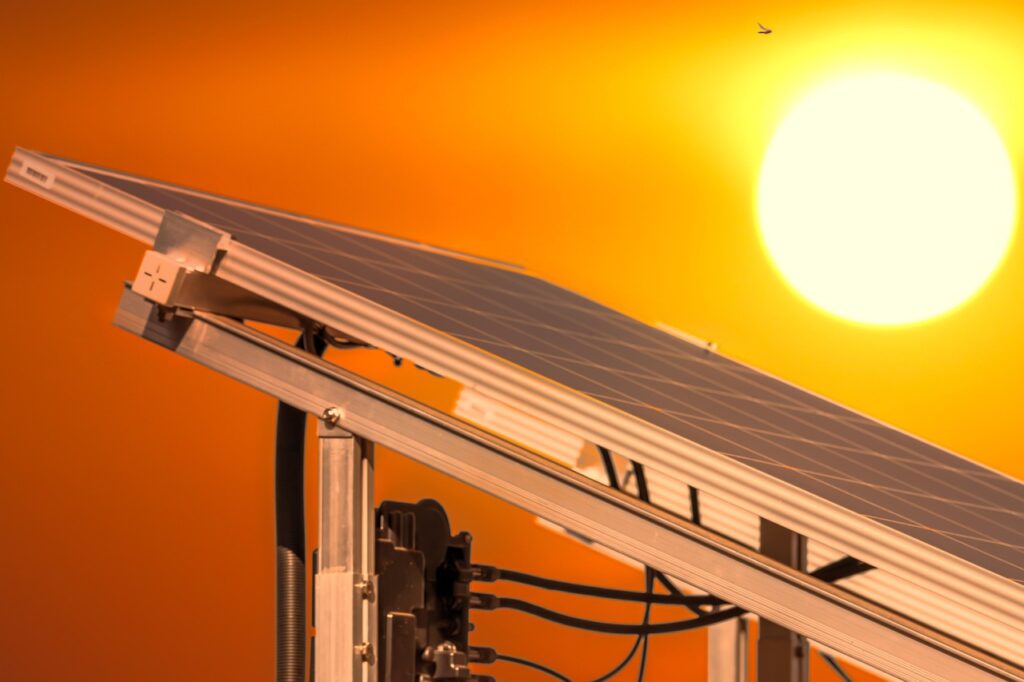
This is very important to know that Energy requalification refers to the process of improving a building’s energy efficiency through structural, technical, and behavioral upgrades in the world in 2025. The goal is to reduce energy consumption, cut greenhouse gas emissions, and enhance thermal and operational comfort which is amazing.
This process often includes:
- Upgrading insulation
- Replacing windows and doors
- Installing energy-efficient heating and cooling systems
- Switching to LED lighting
- Integrating renewable energy sources like solar panels
- Introducing smart home or building automation systems
Whether you own a residential apartment, a historical home, or a commercial facility, energy requalification can bring tangible economic and environmental benefits.
The Growing Importance of Energy Requalification
There are several reasons why energy requalification is becoming more relevant and here we will discuss some of them one by one as umder.
1. Rising Energy Costs
With the global surge in electricity and fuel prices, more property owners are looking for ways to reduce their monthly utility bills. Energy-efficient buildings consume less, offering immediate and long-term savings.
2. Climate Change and Sustainability Goals
Governments and international bodies are pushing toward greener policies. The EU, for instance, has adopted the “European Green Deal” aiming for net-zero emissions by 2050. Energy requalification supports this mission.
3. Regulatory Requirements
Many countries now enforce stricter building codes and energy performance certifications (like EPC ratings in Europe). Failing to meet these standards can reduce property value or even limit legal usage.
4. Enhanced Property Value
Energy-efficient properties are more attractive to buyers and tenants. According to real estate studies, such homes often sell faster and at higher prices.
Components of an Energy Requalification Project
There are some major Components of an Energy Requalification Project and here we will discuss them completely one by one as under.
1. Energy Audit (The Starting Point)
This is very important that Every requalification journey begins with a professional energy audit. Experts assess the building’s current energy consumption, identify inefficiencies, and recommend improvement strategies.
This audit often includes:
- Thermal imaging
- Insulation evaluation
- HVAC system review
- Energy performance certificate (EPC) rating
2. Thermal Insulation
This is very important that Proper insulation is crucial for minimizing heat loss in winter and heat gain in summer. Common improvements include:
- Insulating walls, roofs, and floors
- Replacing old windows with double or triple-glazed units
- Weatherproofing doors and entryways
3. Efficient Heating and Cooling Systems
This is very important that Old furnaces or air conditioning units consume excessive energy. Requalification may involve:
- Installing modern HVAC systems
- Switching to heat pumps or radiant floor heating
- Adding programmable thermostats
4. Renewable Energy Integration
This is very important that Adding solar panels, solar water heaters, or even mini wind turbines can help generate clean, self-sufficient power.
5. Lighting and Appliances
This is very important that Replacing halogen bulbs with LEDs, and opting for Energy Star-certified appliances, significantly reduces electricity usage.
6. Smart Energy Management
This is very important that Smart meters, home automation, and energy management systems allow users to monitor and control consumption remotely—making efficiency easier than ever.
Energy Requalification for Homes vs Businesses
There we will discuss completely energy requalification varies between residential and commercial properties.
For Homes:
- Focus is on comfort, lower bills, and increased property value
- Upgrades often include insulation, efficient lighting, and solar panels
- Government subsidies or tax deductions may apply
For Businesses:
- Energy savings directly improve profitability
- Requalification may be part of ESG (Environmental, Social, Governance) compliance
- Smart energy systems can automate and optimize consumption across large operations
Government Incentives and Financing Options
The good news? There are also some Government Incentives and Financing Options and here we will discuss them as under.
- Grants and subsidies for specific upgrades (e.g., insulation, solar panels)
- Low-interest loans for energy retrofitting
- Tax credits or rebates for green investments
- Feed-in tariffs or net metering for renewable energy contributions
Before starting your project, consult local or national energy agencies to explore your options. The ROI (Return on Investment) increases significantly when incentives are involved.
Real-Life Example: Requalifying a 1970s Home
There we will completely discuss or explain Real-Life Example: Requalifying a 1970s Home as under.
Homeowner: Mr. Ali (Karachi, Pakistan)
Home Built: 1974
Issues: High electricity bills, poor indoor comfort, frequent AC use
Requalification Measures Taken:
- Roof and wall insulation added
- Windows replaced with double-glazed units
- Inverter-based AC units installed
- 5kW solar system added
- LED lighting throughout
Total Cost: PKR 1,200,000
Estimated Payback Time: 5.5 years
Monthly Savings: Around PKR 18,000 on electricity
Bonus: Improved home aesthetics and higher resale value
Challenges in Energy Requalification
While energy requalification is highly beneficial, it has also many challenges or issues in the world and here we will discuss them one by one with some detailed.
1. High Upfront Costs
Initial investments can be significant, especially for full building retrofits. However, long-term savings and incentives usually outweigh the cost.
2. Finding Qualified Contractors
Not all contractors have the expertise required. It’s crucial to hire certified energy experts or firms with experience in sustainable upgrades.
3. Regulatory Complexity
Navigating permits, local codes, and compliance can be time-consuming. Working with an energy consultant can ease this process.
4. Occupant Disruption
Major works may require temporary relocation, especially in commercial spaces. Proper planning helps minimize inconvenience.
Energy Requalification Trends for 2025 and Beyond
There we will discuss completely Energy Requalification Trends for 2025 and Beyond one by one with some detail as under.
1. AI and IoT Integration
Smart systems can now learn user behavior, forecast weather, and adjust settings accordingly—maximizing efficiency.
2. Prefabricated Energy Solutions
Modular insulation panels, solar roofing tiles, and plug-and-play heat pumps make installations quicker and more affordable.
3. Green Certification Boom
More buildings are aiming for green certifications like LEED, BREEAM, and EDGE. These boost marketability and qualify for greater financial incentives.
4. Focus on Circular Renovation
Sustainable materials, recycling old building components, and reducing waste are becoming priorities in requalification projects.
Final Words
This is very informative news that Energy Requalification is the process of modifying properties, companies, or structures to increase energy efficiency and lessen their impact on the environment. It involves incorporating energy from sustainable sources, updating insulation, swapping out antiquated heating and cooling systems, and implementing smart technologies. This is also very important to know that Energy requalification is now crucial for both businesses and homeowners due to growing energy expenditures and climate concerns.
FAQs
1. What is the energy performance standard?
Energy performance standards set minimum efficiency requirements for buildings, appliances, or systems to reduce energy consumption and environmental impact.
2. What are BPS standards?
BPS (Building Performance Standards) are regulations that require existing buildings to meet specific energy or emissions targets over time to improve efficiency and sustainability.
3. What is the ISO for energy performance?
ISO 50001 is the international standard for energy management systems, helping organizations improve energy efficiency, reduce costs, and meet sustainability goals.
4. How do you measure energy performance?
Energy performance is measured by evaluating energy use (kWh or BTU) relative to output or area, often using metrics like Energy Use Intensity (EUI) or comparing against benchmarks and standards.
1. What is energetic requalification?
Energetic requalification is the process of improving a building’s energy efficiency through upgrades like insulation, new heating/cooling systems, and renewable energy installations to reduce consumption and emissions.
2. What is the definition of energy requirement?
Energy requirement refers to the amount of energy needed to maintain the normal functioning of a building, system, or individual, based on usage, climate, and activity levels.
3. What is the energy certification?
Energy certification is an official document that rates a building’s energy efficiency, often shown as a scale (like A to G), helping buyers or tenants understand its energy performance.
4. What are the requirements for energy?
Energy requirements include the necessary energy input for heating, cooling, lighting, appliances, and equipment to ensure comfort and operation, often influenced by standards, building codes, and user needs.